Compare Local Contractors for Your Tub Conversion Needs
Compare local contractors for tub conversion to define scope, verify experience, and set clear expectations, ensuring a smooth, well-managed renovation process.
Tub conversion projects typically involve transforming a bathtub into a different type of bathing area, such as a walk-in shower, or replacing an existing tub with a new unit. These projects can include removing the old fixture, preparing the space for the new installation, and ensuring proper waterproofing and sealing. Depending on the scope, some conversions may also involve updating plumbing, adjusting the surrounding tile or wall finishes, and addressing accessibility needs. Clearly understanding what the work covers helps property owners communicate their needs effectively and ensures the project aligns with their expectations.
Defining the scope of a tub conversion is a critical step in the planning process. It involves specifying the desired end result, the materials to be used, and the extent of work required. A well-defined scope helps prevent misunderstandings and scope creep, making it easier to compare proposals from different local contractors. It also provides a basis for documenting the agreed-upon work in writing, which can serve as a reference throughout the project. Property owners are encouraged to ask detailed questions and outline their preferences early to ensure everyone is aligned before work begins.
When evaluating local contractors for a tub conversion, it’s important to compare their experience, reputation, and approach to similar projects. Property owners can ask about their previous work, request references, and review any available portfolios or examples of completed conversions. Verifying how each contractor plans to handle the scope of work, including materials and methods, can help identify the best fit for the specific project. Additionally, ensuring that all expectations, responsibilities, and deliverables are clearly documented in a written agreement can contribute to a smooth and successful conversion process.
Compare local contractors by outlining project priorities, verifying experience, and clarifying scope and expectations in writing.
- Compare Contractor Credentials - Review the experience and reputation of local contractors to ensure they meet project requirements.
- Define Project Scope Clearly - Establish detailed work parameters to prevent misunderstandings during the conversion process.
- Verify Experience with Tub Conversions - Confirm that service providers have relevant experience for your specific conversion needs.
- Document Expectations in Writing - Create a written agreement outlining the scope, responsibilities, and quality standards for the job.

Before comparing contractors for a tub conversion, clearly describe your project scope and verify their experience.
- Verify experience with tub conversions to ensure familiarity with similar projects. - Review the scope of work to confirm it aligns with the specific conversion needs.
- Compare multiple service providers to assess their expertise and service offerings for tub conversions. - Ensure that contractors provide clear descriptions of the work they will perform.
- Check references or reviews to gauge the quality of previous tub conversion projects handled by local contractors. - Confirm that service providers can handle the type of tub and materials desired.
- Clarify the scope of work in writing to set clear expectations and prevent misunderstandings. - Discuss any necessary demolition, plumbing, or finishing details involved in the conversion.
- Assess the communication style and responsiveness of local contractors to ensure clear and professional interactions. - Ensure that all project details, including scope and responsibilities, are documented before work begins.
Use this to compare contractor experience, clarify scope, and set clear project expectations.
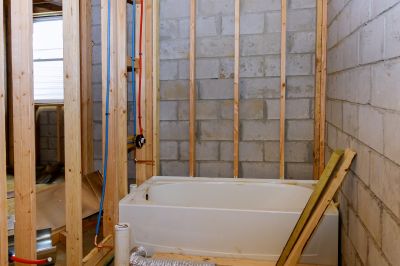

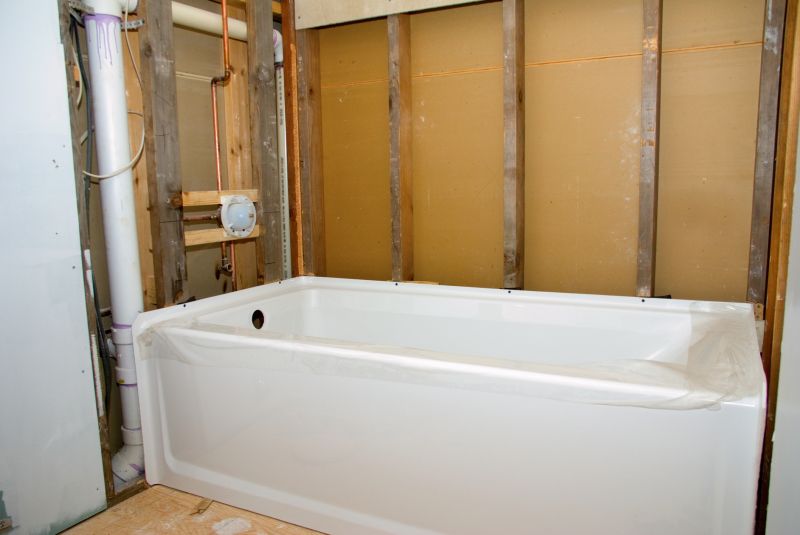
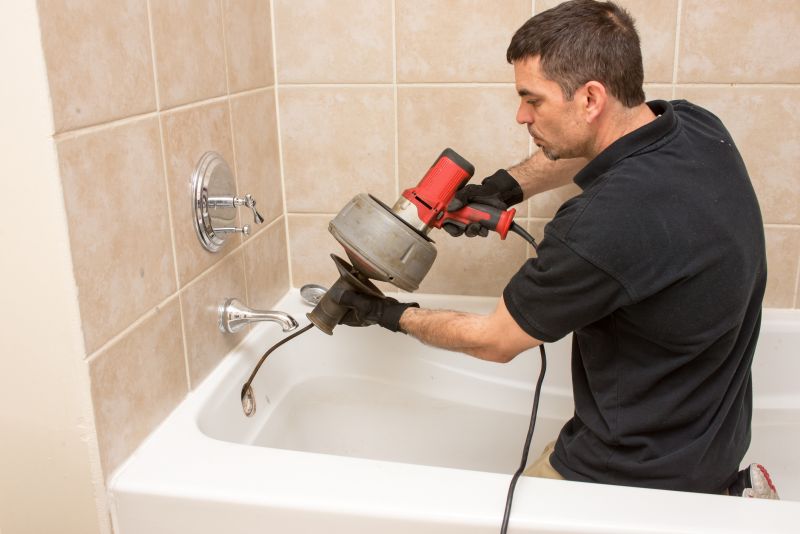
Use clear, consistent comparisons of scope, experience, and written expectations across local contractors for tub conversions.
- Define the scope of the tub conversion project to clarify the specific work tasks and desired outcomes.
- Verify the experience and expertise of local contractors in performing tub conversions similar to the project’s requirements.
- Establish clear project expectations and deliverables in writing to ensure mutual understanding between the homeowner and service providers.
- Compare multiple local contractors based on their credentials, previous work, and customer references to identify suitable options.
- Request detailed proposals that outline the scope of work, materials, and responsibilities to facilitate informed decision-making.
When comparing contractors for a tub conversion project, it is important to evaluate their experience with similar types of work. Homeowners should inquire about the number of tub conversions a contractor has completed and seek details about the specific styles or configurations they have handled. Contractors with a proven track record in projects comparable to the desired conversion are more likely to understand the complexities involved and deliver results that meet expectations. Gathering this information helps ensure that the chosen service provider has the relevant background to manage the project efficiently.
A clear, written scope of work is essential when selecting a contractor for a tub conversion. Homeowners should request a detailed description of the services included, such as demolition, plumbing adjustments, surface preparation, and finishing. A well-defined scope helps prevent misunderstandings and sets clear expectations for what the project entails. It also provides a basis for comparing different service providers, making it easier to identify which contractors offer comprehensive and transparent plans that align with the homeowner’s needs.
Verifying the basics of a contractor’s experience involves checking references, reviewing past work, and asking about their familiarity with local building codes and standards. Homeowners should seek evidence of completed projects similar in scope and complexity and inquire about the satisfaction of previous clients. While licensing and certification are not the focus here, understanding a contractor’s background and reputation can provide confidence in their ability to handle the job properly. Gathering this verification information is a key step in making an informed decision.
When evaluating options among local service providers, it is helpful to compare how each contractor approaches the project scope, their experience with similar conversions, and their method of communication. Homeowners should look for detailed proposals that outline the work process, as well as evidence of relevant experience. Asking service providers how they plan to handle potential challenges or variations can also provide insight into their professionalism and problem-solving approach. This thorough comparison process ensures that homeowners select a contractor who is well-equipped to deliver a successful tub conversion, based on the scope, experience, and communication practices.
Ask contractors to provide written scope details to ensure clear expectations and consistent project understanding.
- Experience with Tub Conversions - What specific experience do the service providers have with tub conversions similar to the project?
- Scope of Work - How do the contractors define and outline the scope of work for the tub conversion process?
- Materials and Methods - What materials and installation methods do the contractors plan to use, and how do they compare?
- Project Expectations - How will the scope and process be documented to ensure clear understanding before work begins?
- Qualifications and References - Can the service providers provide references or examples of previous tub conversion projects?
How can I compare contractors for a tub conversion? Research multiple service providers by reviewing their experience, services offered, and customer feedback to identify the best match for your project.
What should I define in the scope of my tub conversion? Clearly outline the desired changes, including materials, fixtures, and any specific design preferences, to ensure contractors understand your expectations.
How do I verify a contractor’s experience with tub conversions? Ask for details about their previous work, including references or portfolios, to assess their familiarity with similar projects.
Why is it important to set expectations in writing? Documenting the scope, materials, and responsibilities helps prevent misunderstandings and provides a clear framework for the project.
What questions should I ask potential contractors? Inquire about their process, experience, and how they handle unforeseen issues to gauge their professionalism and preparedness.
How can I ensure a contractor understands my specific needs? Communicate your project details clearly and request a written plan or proposal that reflects your requirements before work begins.
By exploring the information provided, visitors can better understand the key steps involved in selecting a contractor for a tub conversion. This includes defining the scope of work, verifying the experience of potential service providers, and ensuring that all expectations are clearly outlined in writing. Taking these steps helps create a transparent process, making it easier to compare options and find a contractor who aligns with specific project needs.
To move forward, consider using the quote form to connect with local contractors who can handle tub conversions. Comparing multiple service providers allows for a better understanding of available options, helping to identify those best suited for the project. Gathering information through this process supports making an informed decision based on the details that matter most.