Signs It May Be Time for a Tub to Shower Conversion
If you notice signs it may be time for a tub to shower conversion, local contractors can help transform your bathroom for safer, more accessible use.
If a bathroom features an outdated or difficult-to-access tub, it might be time to consider a tub to shower conversion. Property owners in the area often explore this upgrade to improve safety, especially if the tub has become slippery or challenging to step into. Additionally, a tub that no longer meets personal needs or takes up excessive space could be better suited for a modern, accessible shower setup. Local contractors who specialize in these conversions can help evaluate the space and recommend practical solutions tailored to individual preferences and lifestyle requirements.
Recognizing signs such as visible wear and tear, mold or mildew buildup, or limited functionality can indicate that a bathroom might benefit from a renovation. For many property owners, shifting from a tub to a shower can enhance convenience and make daily routines more efficient. Service providers in the area are equipped to handle these conversions smoothly, ensuring the new shower installation aligns with the existing bathroom layout and meets practical needs. Keep reading to learn more about the key indicators that suggest a tub to shower conversion could be the right choice.
- Tub to shower conversion - when a bathtub becomes difficult to access or maintain, local contractors can replace it with a more convenient shower setup.
- Bathroom remodeling - if a bathroom layout feels outdated or cramped, service providers can update it by swapping a tub for a modern shower enclosure.
- Accessibility upgrades - for those with mobility challenges, local pros can convert tubs into walk-in showers to improve safety and ease of use.
- Water efficiency concerns - when a bathtub uses excessive water, service providers can install a shower to help reduce water consumption.
- Damage or deterioration - if a bathtub shows signs of cracking or mold, local contractors can replace it with a durable shower to restore functionality.
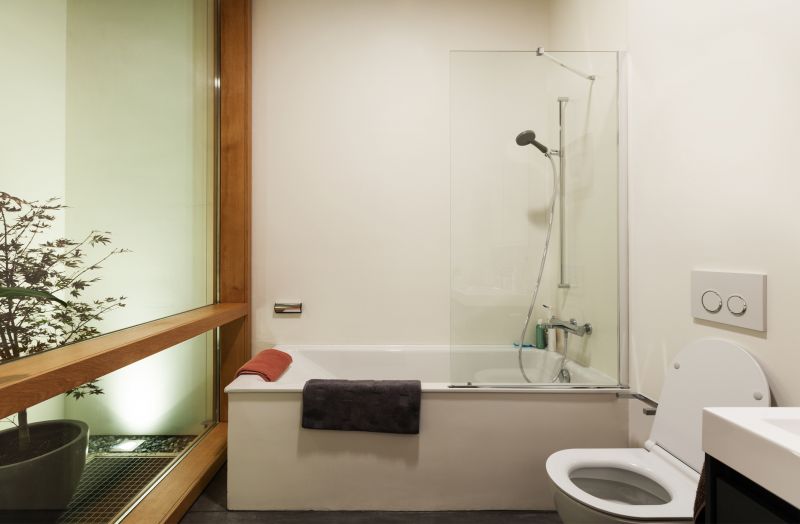
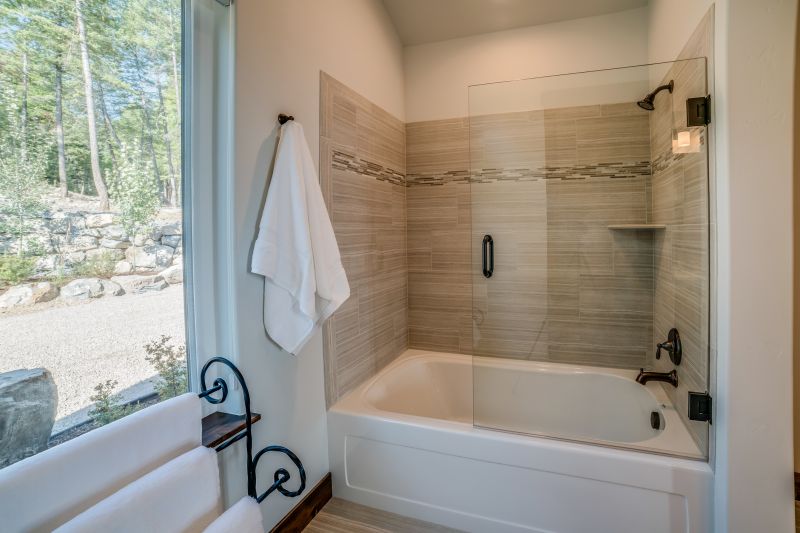
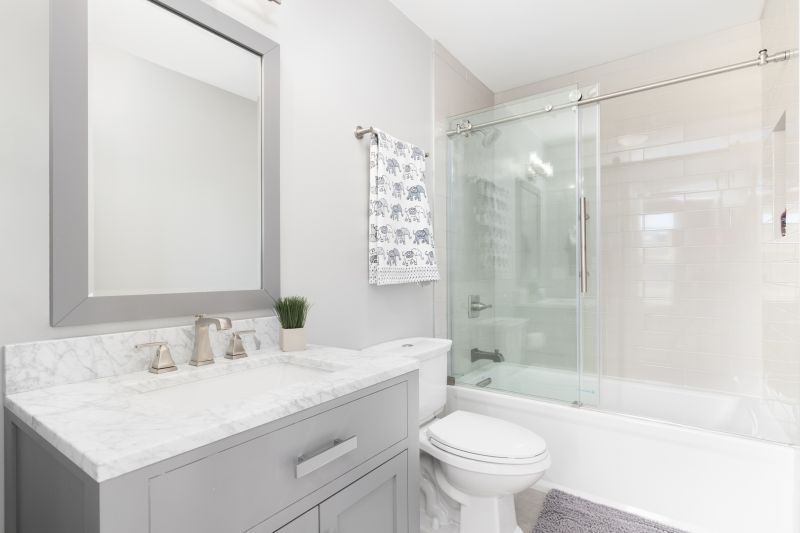
Many homeowners begin searching for signs it may be time for a tub to shower conversion when they find their current bathtub no longer fits their needs or lifestyle. This situation often arises in homes where the bathtub was originally installed for bathing children or for convenience, but over time, it becomes less practical for daily use. People may notice that stepping into a traditional tub is becoming difficult due to age, mobility issues, or physical limitations. Additionally, some individuals seek a more accessible shower setup that offers easier entry and exit, especially if they or family members have health concerns or mobility challenges. Recognizing these needs can prompt homeowners to explore conversion options that improve safety and convenience within their existing bathroom space.
Other common indicators include the condition of the current bathtub. If the tub has become outdated, cracked, or difficult to clean, it can detract from the bathroom’s appearance and functionality. A worn or damaged tub may also lead to water leaks or mold growth, which can cause further problems if not addressed. For homeowners planning renovations or upgrades, a tub to shower conversion can be a practical way to refresh the bathroom’s look while addressing these issues. Many property owners also consider conversions when they want to maximize space, especially in smaller bathrooms where a bulky tub takes up valuable room that could be better utilized for a walk-in shower or accessible design features.
The types of properties that typically come up in discussions about tub to shower conversions include single-family homes, condominiums, and townhouses. These residential properties often have bathrooms designed with traditional tubs that no longer meet the changing needs of occupants. In older homes, the original fixtures may be outdated or poorly maintained, making a conversion a logical upgrade. Conversely, newer homes might feature larger bathroom layouts that allow for more flexible designs, including walk-in showers. Regardless of property type, local contractors who specialize in tub to shower conversions can help assess the space and recommend solutions that fit the home’s layout and the homeowner’s preferences, ensuring a smooth and functional upgrade.
Understanding the signs that it may be time for a tub to shower conversion helps homeowners make informed decisions about their bathroom upgrades. Whether driven by safety concerns, aesthetic preferences, or space considerations, this type of project is a common choice for many property owners. Connecting with experienced service providers in the area ensures that the conversion is handled efficiently and to a high standard. These local contractors can evaluate the existing bathroom layout, provide guidance on design options, and perform the necessary work to create a more accessible, modern shower space that enhances daily routines and overall home value.
Bathroom remodeling projects - these often involve updating fixtures and layouts, making them similar to tub to shower conversions that improve accessibility and functionality.
Tile installation services - installing shower walls and floors requires similar skills and tools used in converting a tub area into a shower space.
Plumbing upgrades - replacing or rerouting plumbing lines is common in both bathroom renovations and tub to shower conversions.
Accessibility modifications - projects focused on making bathrooms more accessible often include removing tubs and installing walk-in showers.
Waterproofing and sealing services - ensuring shower areas are properly sealed relates directly to the work involved in tub to shower conversions.
Bathroom fixture replacement - swapping out old fixtures for modern ones aligns with the process of installing new shower components during a conversion.
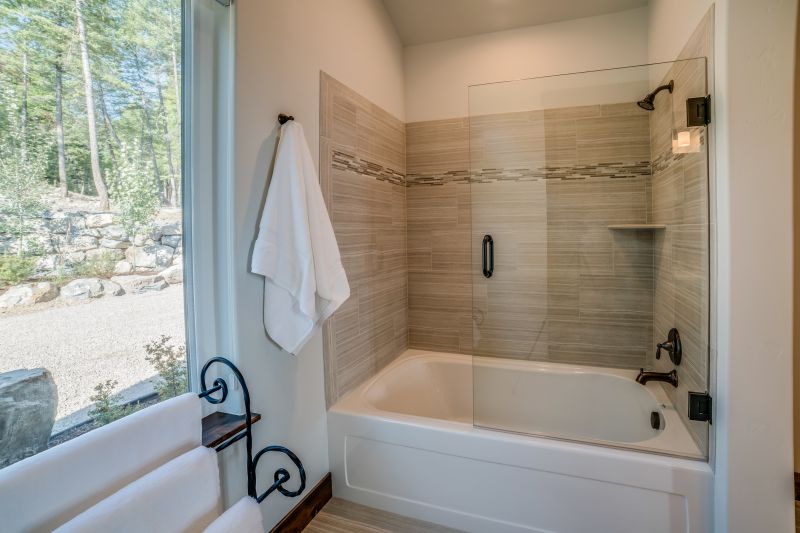
When comparing service providers for a tub to shower conversion, it’s important to consider their experience with similar projects. Homeowners should inquire about how many conversions they have completed and whether they are familiar with the specific challenges that can arise during the process. An experienced contractor will understand the nuances of working within existing bathroom layouts and can offer insights into the best materials and design options. This background helps ensure that the project proceeds smoothly and meets expectations, reducing the likelihood of unexpected issues later on.
Clear, written expectations are essential when evaluating local contractors for a tub to shower conversion. Homeowners should seek detailed descriptions of the scope of work, including the materials that will be used, the timeline for completion, and the steps involved in the process. Having this information documented helps prevent misunderstandings and provides a reference point throughout the project. Service providers who are transparent and thorough in their communication demonstrate professionalism and are more likely to deliver results that align with the homeowner’s needs and preferences.
Reputable references and good communication are key factors in selecting a reliable service provider. Homeowners can ask for references or reviews from previous clients to gauge the quality of work and customer satisfaction. Additionally, responsive and clear communication from the contractor indicates a commitment to understanding and addressing homeowner concerns. Service providers who prioritize open dialogue and provide consistent updates can help ensure the project stays on track and that any questions or issues are addressed promptly, fostering a smoother conversion experience.
Property owners often search for signs it may be time for a tub to shower conversion when they are planning practical projects around their homes and businesses. Local pros provide Tub to Shower Conversion services for everyday jobs and straightforward project options.
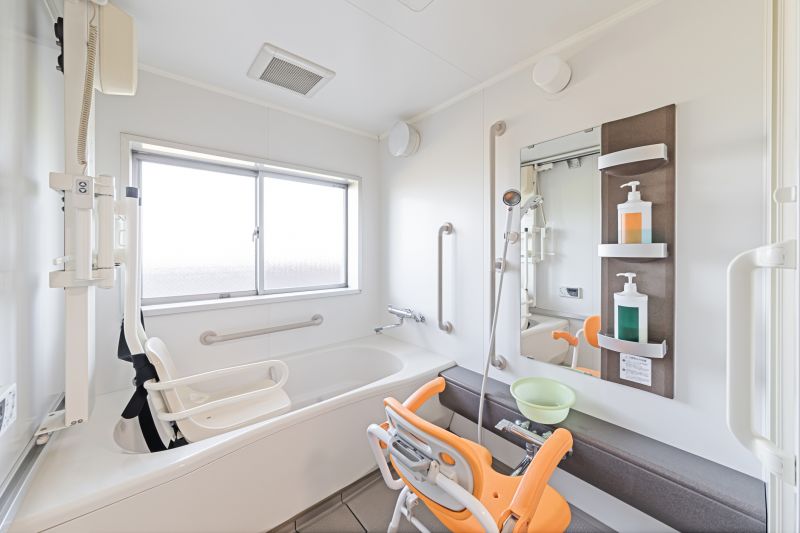
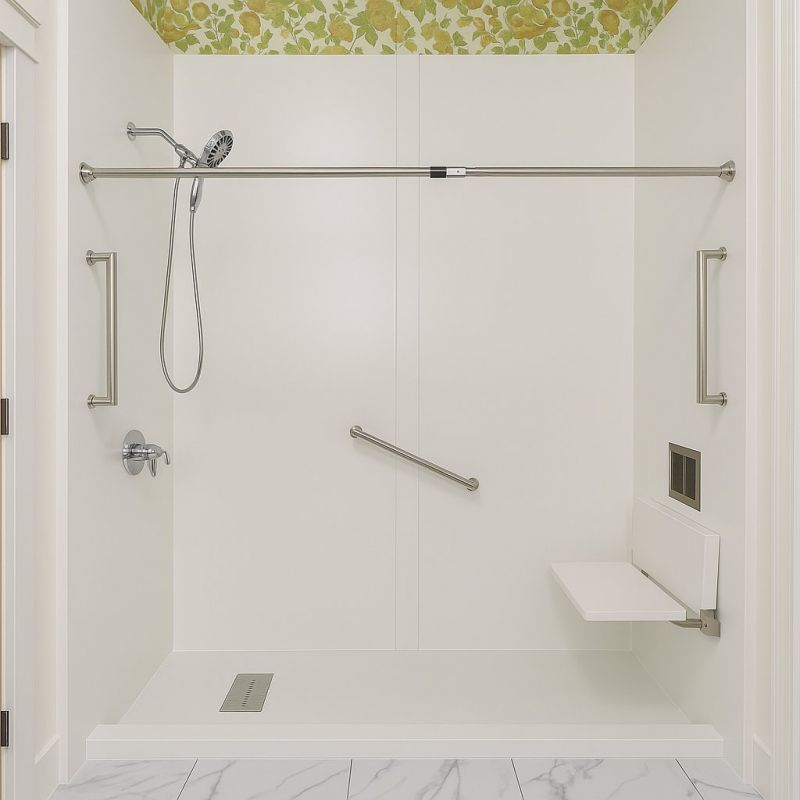
Many property owners in the area notice certain signs that suggest it might be time for a tub to shower conversion. For example, a bathtub that sees little use or becomes difficult to access due to age or mobility issues can make daily routines more challenging. Additionally, outdated or damaged bathtub surfaces may not only detract from the bathroom’s appearance but also pose safety concerns. When these issues arise, homeowners often look into local contractors who specialize in tub to shower conversions to improve accessibility and update the bathroom’s look.
Other common indicators include a bathroom layout that feels cramped or inefficient, especially if the existing tub takes up a large amount of space. A shower can offer a more practical and space-saving solution, making the bathroom feel larger and more functional. Property owners may also consider a conversion if they want to enhance the bathroom’s style or increase home value. Local service providers can help evaluate these signs and provide options for transforming a bathtub into a modern, accessible shower that suits the needs of the household.
What are common signs that a bathtub may need to be replaced with a shower? If a bathtub is difficult to access, shows signs of extensive damage, or no longer fits the household's needs, local contractors can assist with a tub to shower conversion.
When should someone consider switching from a tub to a shower? Signs such as limited mobility, safety concerns, or a desire for more space often indicate it may be time to explore a shower installation with the help of local service providers.
How can visible damage or wear indicate the need for a conversion? Cracks, chips, or mold in the tub area can suggest that replacing it with a shower might be a practical solution, with local contractors able to handle the upgrade.
Are there functional reasons to convert a tub to a shower? Yes, if a bathtub no longer meets household needs or causes accessibility issues, local pros can help with a conversion to improve convenience and usability.
What lifestyle changes might prompt a tub to shower conversion? Changes such as aging in place or a shift towards more accessible bathing options can signal that consulting local service providers about a conversion is worthwhile.
Limited accessibility - If stepping over a high tub becomes difficult, local contractors can help install a more accessible shower setup.
Cracked or damaged tub - When a tub shows signs of wear or damage, replacing it with a shower can improve safety and functionality.
Outdated design - An old-fashioned tub may no longer suit a modern bathroom, and pros can assist in creating a sleek shower space.
Water leakage issues - Persistent leaks or mold around the tub area can indicate the need for a conversion to prevent further damage.
If you are thinking about signs it may be time for a tub to shower conversion for a property, this guide is meant to help you understand this topic, the typical project types, and how different options might fit your plans.
When you are ready, you can use the quote form on this page to share a few details about your project. From there, local pros can review the basics and follow up with options that match what you have in mind.